Culture
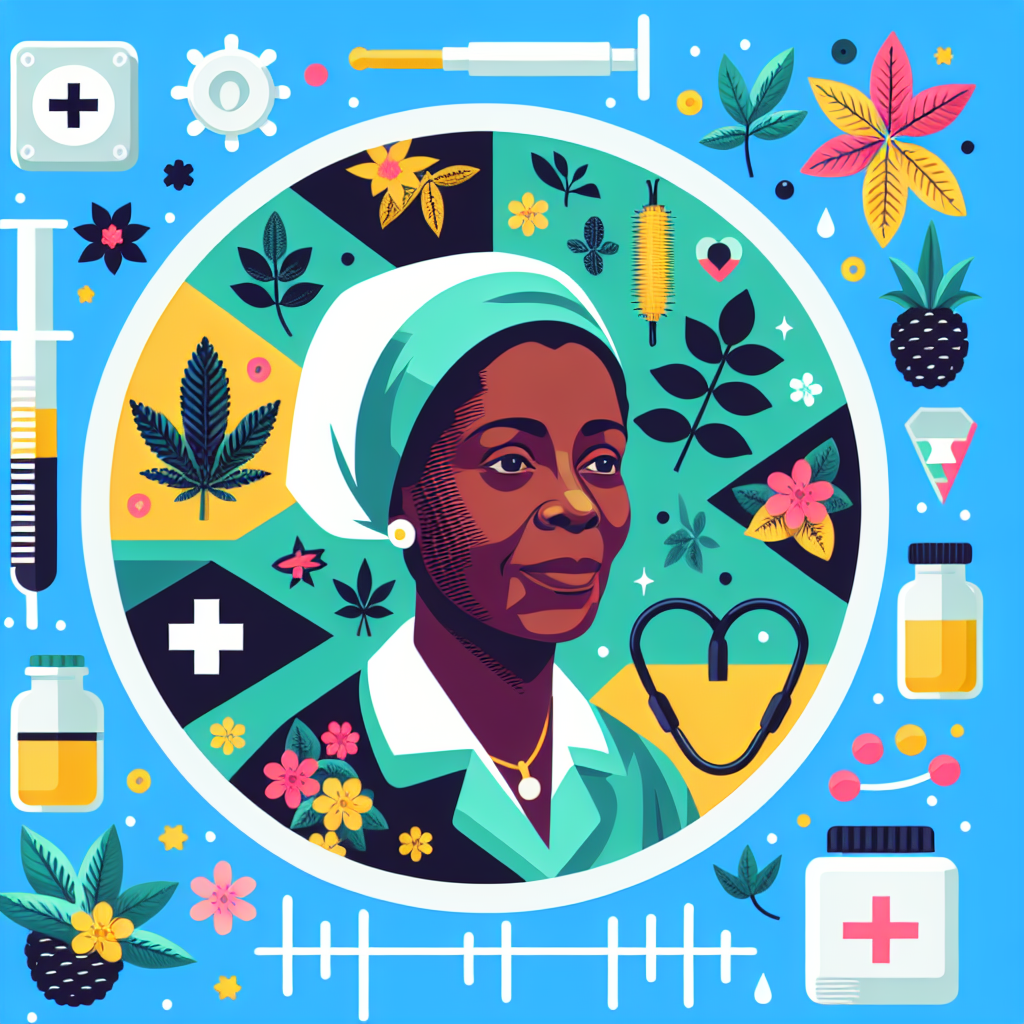
Mary Seacole
In this episode of Home School History, host Greg Jenner explores the remarkable life of Mary Seacole, a pioneering nurse and businesswoman from Jamaica. From her early days practicing herbal medicine...
Mary Seacole
Culture •
0:00 / 0:00
Interactive Transcript
spk_0
Hello and welcome to Home School History. I'm Greg Jenner, the historian behind TV's
spk_0
Horrible Histories, and the host of the BBC Radio 4 podcast, you're dead to me. I'm
spk_0
here to deliver a snappy history lesson to entertain and educate the whole family,
spk_0
who says that homeschooling can't be fun. And today we are going back to the 19th century
spk_0
to meet an extraordinary woman who travelled the world all whilst helping the sick and injured,
spk_0
is the marvelous Mary Seacol. Mary was born Mary Grant in 1805 on the Caribbean
spk_0
island of Jamaica, which at the time was a British colony. It would have been jam-packed with soldiers
spk_0
and sailors. Mary's dad was a Scottish army officer called James Grant. Sadly, we don't know Mary's
spk_0
mum's name, but we know that she was a mixed-raced Jamaican woman who owned a hotel in Kingston,
spk_0
called Blondle Hall. Mary also had a sister, Louisa, and a half-brother, Edward. Blondle Hall
spk_0
was considered one of the best hotels in Jamaica's capital, Kingston. Mary was fascinated by healing.
spk_0
Her mum was known as a Doctress, meaning she practiced traditional African and Jamaican herbal medicine.
spk_0
And when she was a little girl, Mary practiced her healing skills on her dolls. She said there was
spk_0
no disease in Kingston that her poor dollies didn't catch at some point. But it wasn't all make
spk_0
believe. Some of the British officers staying in Mary's mum's hotel caught nasty diseases,
spk_0
such as yellow fever. So Mary would have seen some very poorly people. And growing up, Mary was also
spk_0
supported by a wealthy woman. It was a bit like a grandmother to her. She gave Mary an education,
spk_0
while Mary's mum showed her how to run a hotel business. Mary visited London twice as a
spk_0
teenager, and in those days the journey from Jamaica to Britain took at least six weeks by boat.
spk_0
Bad luck if you got easily ceasing. And that wasn't the only thing that Mary had to worry about.
spk_0
She was a young mixed-raced woman, and she later wrote that her Jamaican friends got bullied in
spk_0
London for the colour of their skin. Horrible. The second time Mary went to London, she travelled
spk_0
alone as a business woman. Well, okay, business not quite woman? Business teenager? Yeah, probably
spk_0
something like that. Anyway, she was selling Caribbean pickles and preserves. Mary then returned Jamaica
spk_0
to work at Blundle Hall. When she was 31, she married a white English merchant called Edwin,
spk_0
Horatio Hamilton Seacole. Great name. This was quite unusual at the time, as mixed-raced marriages
spk_0
were not common in Jamaica. Mary and her new hubby opened a shop.
spk_0
But sadly, the business did not go well. So back they went to Blundle Hall,
spk_0
and this was when things went really bad for Mary. In 1843, Blundle Hall burned down.
spk_0
And the year after, both Mary's husband and mother tragically died.
spk_0
Paul Mary had to pick herself back up and rebuild Blundle Hall, which she imaginatively renamed
spk_0
New Blundle Hall. Yeah, fair enough. After Edwin died, Mary got plenty of blocs asking to
spk_0
marry her, but she turned them all down. In 1850, there was an outbreak of a terrible disease called
spk_0
cholera. Once that was over, Mary was in her mid-40s and she decided to go travelling again,
spk_0
but not to London. Now she headed to Panama in Central America.
spk_0
She went there to help her half-brother Edward with his new hotel, but when Mary arrived,
spk_0
the hotel was a total shambles. Mary and her maid had to sleep under the dining room table,
spk_0
and Edward and the other staff had to sleep on top of it. Come on people, it's a table, not a bunk bed.
spk_0
One night, a guest suddenly dropped down dead. Mary examined the body and she soon discovered
spk_0
it was the dreaded cholera again. Mary bravely stepped up to help people as the disease spread.
spk_0
Not least because the only other medically trained person in town was described by Mary as a
spk_0
timid little dentist. Rich people paid Mary for her herbal remedies, but she treated poor people
spk_0
for free. Nice one Mary. Without modern medicine, some people died and Mary didn't always know how
spk_0
best to treat people with cholera, but she did her best and she probably saved some lives.
spk_0
Indeed, people really appreciated what she'd done for them. Although some of them had a
spk_0
slightly funny way of showing it, Mary wrote that one American guy said she was great,
spk_0
but it was a pity she wasn't white skinned or American so that more people paid respect to her.
spk_0
Roode. Mary responded by saying she was proud of her darker skin, and if all Americans were
spk_0
as rude as he was, then she wasn't missing out on much was she. You tell him Mary. While Mary
spk_0
was trying to save her patients, she caught cholera. Luckily, she recovered, and she felt that the
spk_0
experience helped her better understand how to care for the patients. When the cholera crisis was over,
spk_0
Mary opened her own restaurant in Panama called The British Hotel.
spk_0
Fancy. It even had its own barbershop attached. So, did Mary now settle in Panama? Of course not.
spk_0
Have you not been listening? This is Mary Seacull. She's always looking for the next adventure.
spk_0
So, off she sailed for the Colombian island of Golgona. There she went to set up a hotel for women,
spk_0
but that didn't go very well, so she went back to Jamaica. But she sadly had to change boats
spk_0
because there were some racist women who were very mean to her. And when she finally did arrive
spk_0
back in Jamaica, there was another disease outbreak, this time yellow fever. So, once again,
spk_0
Mary tried to help out, and she set up a little nursing station at the nearby military base.
spk_0
And then, yep, off she went again on her travels.
spk_0
This time, she went to New Granada. It was a gold mine. And she was working this time as a cook
spk_0
to help out a chap called Thomas Day. Now, he was someone who knew her late husband, Edwin.
spk_0
And also, she was there to see if she could find any gold for herself. Gold! She didn't find any
spk_0
gold, but she did start hearing about a new war breaking out in Crimea, where some of the soldiers
spk_0
that she knew from back in Jamaica would soon be sent. Mary wanted to help them, but she didn't
spk_0
know how. So instead, she boarded a ship to London to go and raise funds for the gold mining
spk_0
business. But when she arrived, after many weeks at sea, she heard that Florence Nightingale had
spk_0
already set out with a team of nurses to go and care for the soldiers. And Mary now thought,
spk_0
you know what, I don't want to be involved in gold mining, I want to go and help too.
spk_0
Mary's book said she tried to join the next wave of nurses going out, by turning up to the
spk_0
war office and knocking on all the doors. But she said that nobody took her seriously.
spk_0
Maybe because she was a Jamaican woman of colour. But unstoppable Mary Seekol had a plan.
spk_0
She partnered up again with Thomas Day, remember him from back at the gold mine, and they decided
spk_0
to set up a new business in Crimea, in the middle of a war zone. Give this me. Yep, off she went again.
spk_0
The Crimea peninsula is a chunk of land north of Turkey on the coast of the Black Sea.
spk_0
It took two weeks to sail there from London, and when Mary arrived, she befriended a local Turkish
spk_0
officer who helped her set up the British hotel, Mark II. Yeah, if you've got a good name,
spk_0
why not use it again? Anyway, the British hotel was where she ran a restaurant for British
spk_0
officers and a canteen for the lower class ordinary soldiers. In return for his help, Mary
spk_0
taught the Turkish officer to speak English. Well, I mean, I say she taught him, she tried.
spk_0
By the end of it, all he could say was gentlemen, good morning, and also more champagne.
spk_0
I mean, they weren't ideal phrases for a war zone, but you know, nice over brunch, I suppose.
spk_0
Now you might assume that the British hotel was a five-star establishment,
spk_0
but Mary literally made it out of rubbish. Salvej Driftwood, packing cases, old doors, iron sheets,
spk_0
anything she could find really. The hotel, however, was a success, and Mary was a real hit with
spk_0
the British soldiers and officers. They even called her Mother Seekhole, or sometimes Auntie.
spk_0
A famous journalist from the Times newspaper William Russell went out to the Crimea,
spk_0
and he met Mary and described her as a warm and successful physician, who has earned many
spk_0
a poor fellow's blessing. Her main job, of course, was selling food, supplies, and drinks to
spk_0
her customers. She was a business woman, but she really cared about the men, and she often helped
spk_0
the injured onto the hospital ships, or nursed soldiers with dodgy tummies and nasty favours,
spk_0
and she even bandaged men on the battlefield once or twice. You can see why the men called her
spk_0
Mother Seekhole. In 1856, after two horrible years of fighting, the Crimean War ended. Britain,
spk_0
France, and Turkey had defeated the Russians. This was great news for the Brits, but it left poor
spk_0
Mary in a bit of a pickle, and not a delicious pickle like her Caribbean preserves. No, she had
spk_0
spent all her money on buying expensive supplies, but now her customers were leaving, and there was
spk_0
nobody to buy anything. She couldn't make her money back. It took her months to get back to London.
spk_0
But when she arrived, the British press had not forgotten about her, and they set up a public
spk_0
fundraiser to help her get back on her feet. And a year later, Mary published her famous book,
spk_0
The Wonderful Adventures of Mrs. Seekhole in many lands, which sold very well and turned her into
spk_0
a celebrity. There was a big party held for her, and she also posed for a famous painting,
spk_0
where Mary is wearing some unofficial medals that she seems to have given herself. Bit cheeky, Mary.
spk_0
She then spent a few years in Jamaica, but ran out of cash, so returned to London.
spk_0
Again, and then she spent the last few years of her life mixing with fancy people and even royalty,
spk_0
who helped her out financially. Queen Victoria was a big fan. Mary Seekhole died age 75 in 1881.
spk_0
She was respected, comfortably well-off, and famous. Her fame faded over the years, and people
spk_0
forgot about her, but in 1991, more than a hundred years after her death, she was awarded the Jamaican
spk_0
Order of Merit, and she is now remembered as a kind-hearted healer who cared about others as well
spk_0
as being a cany businesswoman. And of course, she'd had an unstoppable thirst for adventure.
spk_0
What a life she'd lived. And that's it for Mary Seekhole, so now it's time for the quiz.
spk_0
We have five questions. Are you ready? Here we go. Question one.
spk_0
In which part of the British Empire was Mary Seekhole born?
spk_0
Question two. As a child, Mary practiced her healing remedies on which toys?
spk_0
Question three. When treating people in Panama, what diseased did Mary catch?
spk_0
Question four. During the Crimean War, British troops loved Mary Seekhole, but what did they
spk_0
nickname her? And question five. Mary opened businesses in Panama and Crimea with the same name,
spk_0
but what was that name? Okay, let's do the answers.
spk_0
The answer to question one, Mary was born on the island of Jamaica.
spk_0
The answer to question two, Mary practiced healing on her childhood dolls.
spk_0
The answer to question three, Mary caught cholera in Panama.
spk_0
The answer to question four, the British troops called Mary Mother Seekhole.
spk_0
And the answer to question five, her businesses in Crimea and Panama were both called the British
spk_0
Hotel. How did you do? If you didn't get all five, that's okay. Why not listen to a different
spk_0
episode on BBC Sounds? Hopefully you're now a Mary Seekhole Megaswatt. I'm afraid that's it for
spk_0
series two of homeschool history. Thank you so much for listening, take care and goodbye.
spk_0
Home School History was a production by the Athletic for BBC Radio 4 and BBC Sounds.
spk_0
The research assistant was Hannah McKenzie. The script was by Gabby Hutchison Crouch,
spk_0
Emma Negus and me. The producer was Abby Patterson and the historical advisor was Professor Gretchen
spk_0
Gazzina. Climate change is real, it's happening, but it's not the end of the world. I'm Tom
spk_0
Heap and in a new podcast from BBC Radio 4, I'll reveal 39 ways to save the planet. We've got a new
spk_0
material in a new way of putting solar cells together that produces much more power than
spk_0
traditional or existing photovoltaics. Our brightest brains are developing potent carbon cutting
spk_0
ideas and I'll be meeting them from the paddy fields of the Punjab. The whole plant can flower in
spk_0
here, set seed and we harvest the seed and do experiments. To the Siberian permafrost. There is a
spk_0
much deeper freeze of the permafrost when you're having a bunch of herbivorous trampling on the snow.
spk_0
They trample on the snow by just being there and trying to find food. We made this mess, but we
spk_0
can clean it up. My biggest dream is actually contributing significantly to stopping climate change.
spk_0
Subscribe to 39 ways to save the planet on BBC Sounds.